
Chinese Tuition in Tampines: Finding the Right Tutor
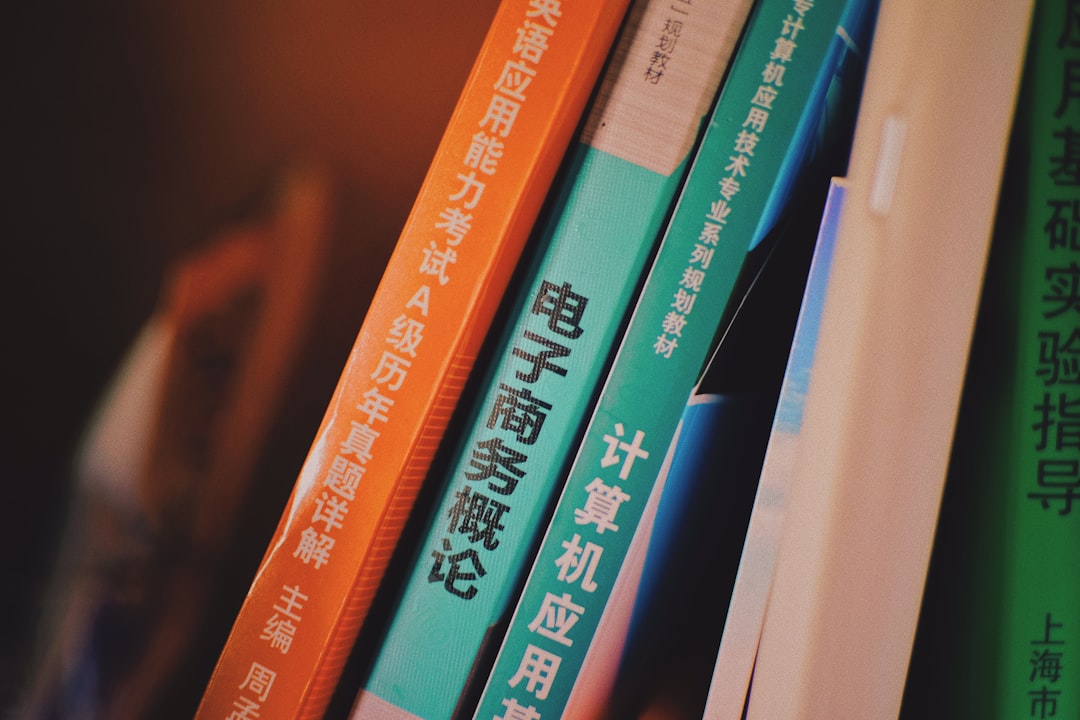
For many families living in Tampines, finding good Chinese tuition is a concern that surfaces well before the PSLE — and often stays on the agenda right through to the A-Level year. Tampines is one of Singapore’s largest HDB towns and has a significant Chinese-speaking community, with many households where Mandarin is the home language. Yet even in families where parents are comfortable conversing in Chinese, children frequently struggle with the more formal demands of the examination: structured composition writing, precise use of idioms, and the spoken nuances required for oral assessment. Chinese tuition in Tampines addresses this gap — moving students from functional spoken ability to the examined literacy that MOE assessments require. This guide walks through what to expect at each level, common pain points, and how to evaluate a tutor effectively.
If you are starting your search, our Chinese tuition guide for Singapore provides a useful overview of the subject across levels. For a broader look at tuition options in the area, see our Tampines tuition guide.
Tampines: Schools, Community, and Chinese Language Demand
Tampines is served by both the East-West Line (Tampines MRT) and the Downtown Line (Tampines West and Tampines East stations), making it one of the best-connected HDB towns in eastern Singapore. The estate spans multiple precincts, from older developments around Tampines Central to newer Build-to-Order blocks further north and east, and continues to attract young families with school-going children.
MOE schools in Tampines include a strong spread across primary, secondary, and junior college levels:
- Angsana Primary School
- Junyuan Primary School
- Tampines North Primary School
- Tampines Primary School
- East Spring Primary School
- Junyuan Secondary School
- Tampines Secondary School
- Tampines Meridian Junior College (TMJC)
The demand for Chinese language tuition in Tampines reflects a particular tension common to many Singapore Chinese families. Parents may speak Mandarin or dialect at home, creating an environment where the language is present — but spoken Chinese and written, examined Chinese are quite different disciplines. Composition writing in particular requires a level of formal register, vocabulary range, and structural planning that everyday conversation does not develop. This is true across all levels: PSLE, O-Level, and H1 Chinese at junior college.
PSLE Chinese: Where the Gaps Usually Appear
The PSLE Chinese examination comprises four components: writing (Paper 1), language use and comprehension (Paper 2), oral communication, and listening comprehension. Each component tests a distinct set of skills, and many students have uneven profiles — strong in some areas and weak in others.
Chinese composition (作文, zuòwén) is consistently one of the most challenging components for primary students in Tampines. The standard expected at PSLE requires students to produce a coherent narrative or descriptive piece of around 200–300 characters, using varied sentence structures and appropriate vocabulary. Students who have grown up speaking Mandarin at home often find they can express ideas orally but cannot produce the same ideas in written form at the required standard. Tutors working on composition will typically focus on planning frameworks, character-building (in the narrative sense), and the deliberate use of 成语 (chéngyǔ, Chinese idioms) and descriptive phrases to elevate a piece from adequate to impressive.
Oral communication involves reading a passage aloud and participating in a conversation based on a given scenario or prompt. While students from Mandarin-speaking homes may appear to have an advantage here, the examiners are assessing pronunciation accuracy, intonation, fluency, and the ability to respond substantively to open-ended questions — not simply to communicate. Many students underestimate oral preparation, and those who begin focused oral practice early (from Primary 4 onwards) tend to perform noticeably better than those who leave it to the examination year.
Listening comprehension is often overlooked in tuition planning but accounts for a meaningful share of marks. It requires students to process spoken Mandarin at standard speed and identify specific information or infer meaning from short dialogues and monologues. Consistent exposure to standard Mandarin — through targeted exercises rather than just media consumption — improves performance on this component.
For students targeting primary Chinese tuition, starting support from Primary 3 or Primary 4 allows time to build composition habits before the examination year becomes pressured.
Higher Chinese at Primary: Stronger Students, Higher Expectations
Some primary students in Tampines are enrolled in the Higher Chinese Language (HCL) programme, which prepares them for the PSLE Higher Chinese examination. This is a more demanding syllabus that includes additional reading comprehension components and expects a higher standard of written output and vocabulary depth.
Students sitting Higher Chinese at primary school are often high-ability learners, but the additional rigour of the HCL curriculum means that even capable students may benefit from targeted support — particularly on the extended comprehension passages and the more formal composition demands. Families whose children are registered for Higher Chinese should confirm early whether their child’s tutor has experience specifically with the HCL syllabus, as the teaching approach differs from Standard Chinese tuition.
Our Higher Chinese tuition guide covers both primary and secondary levels in detail.
O-Level Chinese: Standard and Higher Chinese at Secondary
At secondary school, Chinese Language splits into two tracks: Standard Chinese (CL) and Higher Chinese (HCL). Both are examined at O-Level, but Higher Chinese carries a bonus point for university admissions under the current MOE framework, making it a goal for many families whose children performed well in primary Chinese.
O-Level Standard Chinese covers paper-based components including composition, comprehension, and summary writing, as well as an oral examination. The step up from PSLE to O-Level Chinese is significant: compositions are longer, comprehension passages are more complex, and the summary component requires students to distil key information accurately and concisely. Many students at Junyuan Secondary and Tampines Secondary who managed adequately at primary level find that O-Level Chinese demands a more disciplined and systematic approach.
O-Level Higher Chinese has an additional paper and requires a deeper engagement with texts, including classical Chinese (文言文, wényánwén) passages at some levels. For students who sat HCL at primary and have maintained a strong foundation, HCL at secondary is achievable with consistent practice. For those whose foundation is less secure, tuition support early in secondary school — rather than waiting until Secondary 4 — is strongly advisable.
Composition at O-Level often tests students on narrative, descriptive, expository, and argumentative formats. Tutors working at this level should be comfortable teaching across all these genres and should have students practising timed writing under conditions that reflect the actual examination. See our secondary Chinese tuition guide for a full breakdown of what to expect at this stage.
H1 Chinese at TMJC
Students at Tampines Meridian Junior College who did not offer Higher Chinese at O-Level, or who are continuing with Chinese as an H1 subject, sit the H1 Chinese examination as part of the A-Level curriculum. H1 Chinese tests comprehension, summary, and essay writing at a more advanced level than O-Level — the emphasis shifts towards analysis and the ability to respond to nuanced texts with clarity and precision.
For many JC students, Chinese has been a subject they managed through secondary school but never felt particularly confident about. At JC, the demands are different enough that specific tuition support — focused on H1 examination technique rather than general language improvement — can make a meaningful difference, particularly for students aiming to use the Chinese grade as part of their overall A-Level result. Starting in JC1 rather than leaving it to JC2 is advisable, as the skills required for H1 comprehension and essay writing take time to develop.
What to Look for in a Chinese Tutor in Tampines
The right Chinese tutor depends heavily on your child’s level, the specific examination they are working towards, and the nature of their weaknesses. Here are key factors to evaluate when shortlisting:
- Examination-level alignment: Confirm the tutor has direct experience with the specific syllabus — PSLE Standard Chinese, PSLE Higher Chinese, O-Level Standard or Higher Chinese, or H1 Chinese. Each has different demands, and a tutor who primarily works at one level may not be the best fit at another.
- Composition coaching ability: Ask the tutor how they teach composition planning. A good answer involves a clear framework — not just exposure to model essays, but the scaffolding of planning skills that students can apply independently under examination conditions.
- Oral preparation: Does the tutor incorporate oral practice, or focus only on written components? For primary and secondary students, oral marks are significant and should not be neglected.
- Use of authentic materials: Tutors should be working from past-year examination papers and school-based assessments, not generic workbooks. Confirm they are familiar with the format and marking criteria of the specific examination.
- Approach to classical Chinese: If your child is on the HCL track at secondary level, check whether the tutor is comfortable teaching classical Chinese passages. This is a specialised skill and not all tutors handle it equally well.
- Progress communication: Regular feedback — even brief updates after sessions — helps parents monitor whether the approach is working and make adjustments early.
For broader guidance on selecting a tutor, see our article on how to choose a tutor in Singapore.
In-Person and Online Chinese Tuition in Tampines
Home tuition — where the tutor travels to your flat — remains the most popular format for primary school students in Tampines. The familiar environment tends to work well for younger children, and parents can keep an eye on how sessions are progressing. For secondary and JC students, online tuition has become a practical alternative: compositions can be shared digitally, annotated with comments, and discussed over video call in a workflow that suits older, more self-directed learners.
Some families combine both: in-person sessions for structured composition drafting and feedback, with occasional online sessions when the tutor or student has scheduling constraints. The format matters less than the consistency and quality of the sessions themselves. For a full comparison of the practical trade-offs, see our guide on online vs in-person tuition in Singapore.
Frequently Asked Questions
When should I start Chinese tuition for my child in Tampines?
For PSLE preparation, many parents in Tampines start from Primary 3 or Primary 4, particularly if composition writing is already showing weaknesses in school assessments. Starting before Primary 5 gives students time to build composition habits and vocabulary systematically rather than trying to do so under PSLE-year pressure. For secondary students, the start of Secondary 3 is the natural point to review whether Chinese tuition is needed, as the O-Level syllabus becomes the active focus. For H1 Chinese at JC, starting in JC1 Term 1 or 2 is significantly better than waiting until JC2.
My child speaks Mandarin at home but still struggles with Chinese composition. Why?
This is one of the most common situations among Tampines families and is entirely normal. Spoken Mandarin and written, examined Chinese are different in register, vocabulary, and structure. Composition requires formal phrasing, deliberate use of literary devices, and a structured approach to planning that conversational Mandarin does not develop. Additionally, many children who speak Mandarin at home speak a more colloquial or mixed register rather than the standard Putonghua expected in school. A tutor working on composition will help bridge this gap by teaching the specific conventions of written examination Chinese, including appropriate use of 成语 and formal connectives.
Should my child take Higher Chinese or Standard Chinese at secondary school?
This depends on your child’s primary Chinese results and overall learning capacity. Higher Chinese carries a potential bonus point for university admission, which makes it attractive — but it is a more demanding syllabus and students who are already finding Standard Chinese challenging at primary level may find the jump to HCL at secondary significantly stressful. The decision should be made in consultation with your child’s primary school teacher, who knows their actual level of Chinese literacy. If your child does opt for Higher Chinese at secondary, beginning tuition support early in Secondary 1 is advisable rather than waiting to see how the first year goes.
What is the difference between a MOE-trained Chinese teacher and a freelance Chinese tutor?
A MOE-trained Chinese teacher will have formal teaching credentials and experience in a school environment, including familiarity with MOE syllabuses and marking schemes. A freelance Chinese tutor may or may not have formal teaching qualifications but may bring strong subject knowledge, examination experience, and a flexible one-on-one approach that suits tuition better than classroom teaching. Neither category is automatically superior: what matters most is the tutor’s specific experience with the level your child is at, their ability to identify and address your child’s individual gaps, and the quality of feedback they provide on written work. A trial session with any tutor — regardless of background — is the most reliable way to assess fit.
Find a Chinese Tutor in Tampines
Whether your child is preparing for PSLE Chinese at Angsana Primary or Tampines North Primary, working towards O-Level Chinese at Junyuan Secondary or Tampines Secondary, or sitting H1 Chinese at TMJC, finding the right tutor can make a real difference to confidence and results. Start with our full overview at Chinese tuition in Singapore, and when you are ready to find a tutor matched to your child’s level and location: