
Primary Chinese Tuition in Singapore
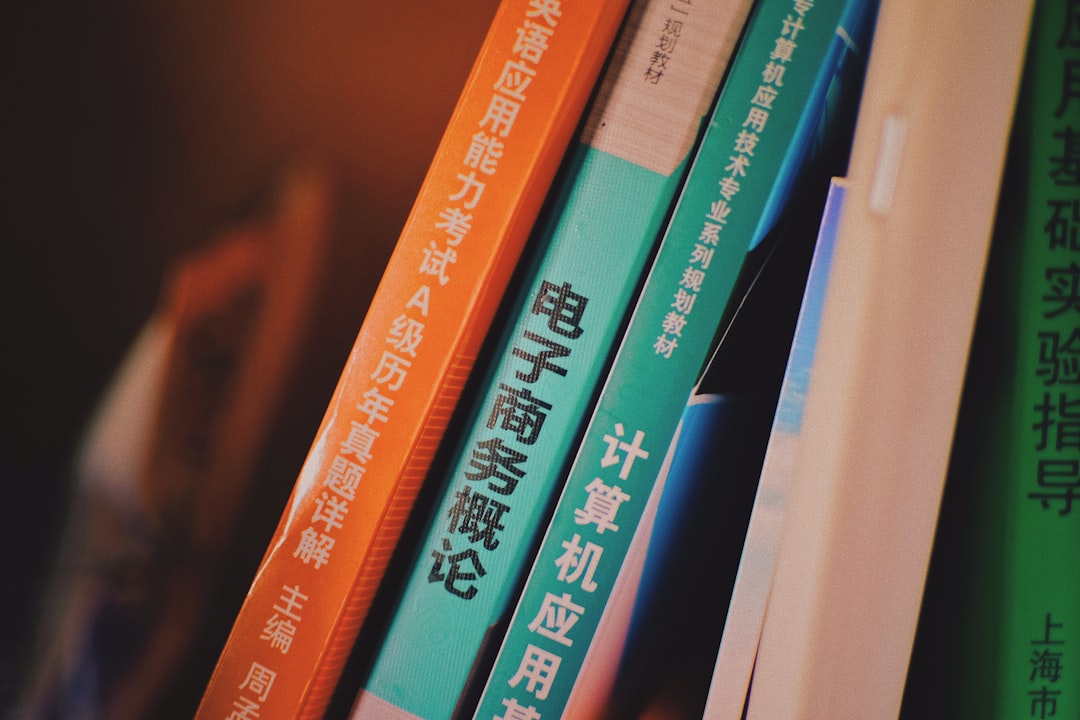
Primary Chinese tuition in Singapore is often considered when a child finds Mother Tongue lessons stressful, avoids reading Chinese passages or gives very short oral answers. The challenge can come from limited home exposure, weak vocabulary, writing anxiety or difficulty understanding exam questions.
Tuition can help when it gives the child steady practice, patient correction and confidence using the language. It may not be necessary if the child is coping well in school and already has regular reading, conversation and review at home. This guide helps parents identify what kind of support is useful before committing to lessons.
What primary Chinese tuition should cover
Primary Chinese is not one single skill. Students may need help with word recognition, sentence construction, comprehension, composition, oral communication and listening. A strong tutor should know which area is weak instead of assigning the same worksheets to every child.
For lower primary pupils, the focus is often vocabulary, character recognition, sentence patterns and confidence reading aloud. For upper primary pupils, the work becomes more exam-oriented: composition planning, comprehension answering, oral stimulus response and listening accuracy. For Primary 5 and Primary 6, support should be aligned with PSLE expectations without making every lesson feel like a test.
If a child is taking Higher Chinese, expectations are higher and suitability should be discussed with the school. Tuition can support stronger language development, but it should not be used to force a pathway that leaves the child constantly overwhelmed.
Diagnose primary Chinese tuition needs first
Before arranging lessons, look at the child’s actual work and behaviour around Chinese. Common weak areas include:
- Character recognition: The child forgets words quickly or guesses based on shape.
- Vocabulary range: The child understands simple ideas but cannot express details in speech or writing.
- Reading fluency: Reading is slow, hesitant or dependent on hanyu pinyin prompts.
- Composition structure: The story has events but weak sequence, description or sentence variety.
- Comprehension accuracy: The child copies lines without answering the question directly.
- Oral confidence: The child gives short responses and needs help elaborating naturally.
This diagnostic helps parents choose the right tutor. A child with oral anxiety needs a different lesson style from one who reads well but struggles with composition.
How primary Chinese tuition can improve oral and vocabulary
Primary Chinese tuition should increase the child’s usable language. For oral practice, a tutor can use picture prompts, daily-life questions and short opinion tasks to help the child move from one-word answers to fuller responses. The goal is not to sound rehearsed, but to speak with enough detail and confidence.
Vocabulary should be taught in context. Instead of memorising long lists, pupils can learn words through short passages, sentence-making and topic clusters such as school, family, food, transport and feelings. The tutor should revisit words over time so they move from recognition to active use.
Parents can support this without turning home into another classroom. Label a few household items, read a short paragraph together, or ask the child to explain one simple event in Chinese. Small, repeated exposure is more sustainable than sudden intensive practice before exams.
How primary Chinese tuition supports composition and comprehension
For composition, the tutor should teach planning before writing. Pupils need to understand the picture or topic, decide the sequence of events, and use sentence connectors to show cause, contrast and time. Memorised phrases can help only if the child knows when they fit.
For comprehension, pupils should learn to locate evidence, understand question words and answer in complete, relevant sentences. A common issue is copying too much from the passage. A good tutor shows the child how to select the right part and adapt it to the question.
In upper primary, timed practice becomes important, but it should not replace correction. A child who completes many papers without reviewing mistakes may repeat the same errors. The tutor should keep a simple error log: vocabulary, grammar, question interpretation, careless copying or weak elaboration.
When tuition helps, and when it may not
Tuition helps when a child needs consistent guided exposure, especially if parents cannot provide Chinese support at home or if home practice often turns into conflict. It is also useful when the child needs targeted feedback on oral, composition or comprehension.
Tuition may not help if the child is overloaded or afraid of the language. A tutor who piles on worksheets may deepen avoidance. For anxious learners, the first goal should be rebuilding confidence through manageable tasks and encouraging feedback.
It may also be unnecessary if the child is performing steadily and simply needs more regular reading. Before starting tuition, try a four-week routine of short reading aloud, vocabulary review and correction of school worksheets. If progress is visible, formal lessons can wait.
Choosing primary Chinese tuition in Singapore
Primary tuition rates in Singapore are often broadly around $25-$50/hour, with variation by tutor experience, format and location. One-to-one tuition gives more room for shy learners to speak. Small groups can work well when pupils need practice and motivation, as long as the tutor still gives individual feedback.
If your family is comparing Mother Tongue support more broadly, the Chinese tuition guide covers older learners and general selection questions. Families considering support for another Mother Tongue can also read the Tamil tuition in Singapore guide for similar confidence-building principles.
For choosing the right person, not just the right subject, use the guide to choosing a tutor in Singapore.
Primary Chinese tuition trial checklist
During a trial lesson, observe the learning fit carefully.
- Did the tutor ask about home-language exposure and school feedback?
- Did the child get a chance to speak, read or write during the lesson?
- Were corrections clear, kind and specific?
- Did the tutor identify whether the main gap is vocabulary, fluency, composition or comprehension?
- Was homework manageable for the child’s age?
- Did the child leave knowing one concrete thing to practise?
FAQ
When should my child start Primary Chinese tuition?
Start when there is a repeated pattern, such as persistent reading difficulty, very limited vocabulary or anxiety about oral practice. Do not start solely because classmates have tuition.
Can tuition help if we do not speak Chinese at home?
Yes, but it works best with small exposure habits between lessons. Even short reading, listening or vocabulary review can help the lesson content stick.
Should my child memorise model compositions?
Model compositions can show structure, but full memorisation is risky. It is better to learn planning, sentence patterns and useful phrases that can be adapted.
AccTrain Academy helps families find tutors who can support Chinese learning with patience, structure and age-appropriate practice. Browse our tutor directory to find primary Chinese tuition in Singapore.