
Primary Science Tuition in Singapore: A Parent’s Guide
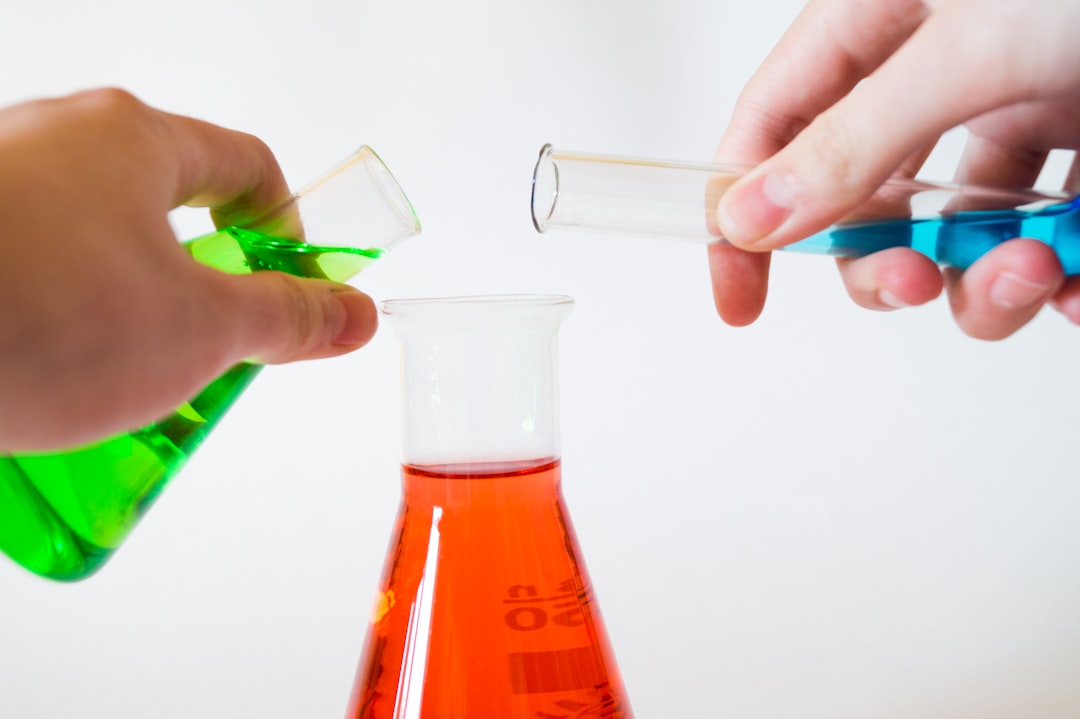
Primary science catches many families by surprise. A child who reads widely and enjoys science can still lose marks because the exam rewards a very particular way of explaining answers. If you are considering primary science tuition for your child in Singapore, this guide explains what the subject demands from P3 to PSLE, why marks slip, and how to decide whether tuition is the right move.
The honest position first: many children do perfectly well in primary science with good reading habits and steady practice at home. Tuition is most useful when there is a specific, recurring problem — usually with how a child explains their reasoning — rather than as a default add-on.
What primary science covers
Science begins formally in Primary 3 and runs through to the PSLE at the end of Primary 6. The syllabus is organised around big themes — Diversity, Cycles, Systems, Energy and Interactions — covering topics such as living and non-living things, life cycles, materials, the human body, plant systems, magnets, electricity, heat, light and the environment.
What makes primary science distinctive is its emphasis on process skills: observing, comparing, classifying, inferring and applying concepts to new situations. The exam is not a memory test. Children are asked to explain, predict and justify, which is a more demanding skill than simply recalling facts.
Why children lose marks in primary science
When a capable child underperforms, the cause is usually one of these patterns:
- Writing answers that are correct in spirit but miss the key scientific keyword the mark scheme requires.
- Struggling with open-ended questions that ask them to apply a concept to an unfamiliar scenario.
- Confusing related concepts — for example, heat and temperature, or mass and weight.
- Misreading the question or answering a different question from the one asked.
These are answering skills, and they respond well to focused practice. A good tutor teaches a child to read questions carefully and answer in the precise, structured way examiners reward.
When primary science tuition is worth it
Consider primary science tuition when your child understands the topics but keeps losing marks on open-ended and application questions, when a particular theme has never quite clicked, or when the step up in difficulty at P5 and P6 has dented their confidence. Tuition also suits children who benefit from a structured weekly routine and accountable practice.
It is just as valid to hold off. If your child is scoring well and answering open-ended questions confidently, extra hours may add pressure without adding marks. Aim support at a clear, identified gap.
How primary science tuition helps
A good primary science tutor focuses on more than content. The most useful work tends to be:
- Teaching answering technique — using the right keywords and structuring explanations clearly.
- Building the habit of reading open-ended questions carefully and planning the answer.
- Clearing up commonly confused concepts so they stop causing repeated errors.
- Working through past-year and practice papers and explaining why each answer earns its marks.
For families specifically preparing for the national exam, this naturally overlaps with broader PSLE readiness — our complete PSLE preparation guide sets out how the pieces fit together across subjects.
Choosing a primary science tutor
Brand and rate matter less than fit. Look for a tutor who knows the current syllabus, is patient and encouraging with younger children, and can explain why answers earn marks in plain language. A small group class can be lively and economical; a private tutor can pinpoint and fix a specific weakness fastest. Our guide to how to choose a tutor in Singapore covers the checks worth making before you commit.
Many families also weigh up online versus in-person tuition. Younger children often do better in person, where it is easier to keep them focused, though confident learners manage well online with a good tutor.
What primary science tuition costs in Singapore
As a broad guide, primary-level tuition often falls in the region of $25–$50 per hour, with group classes costing less per student and experienced or in-demand tutors charging more. Treat these as indicative ranges rather than fixed prices, and prioritise a tutor who suits your child’s temperament and level over the highest rate.
Frequently asked questions
At what age should my child start primary science tuition?
Science begins at P3, but there is no fixed right time to start tuition. The better trigger is need — a recurring weakness in open-ended questions or a theme that has not clicked — rather than a particular age.
How is primary science different from later science subjects?
Primary science is built around process skills and applying concepts, whereas secondary and JC sciences add far more technical depth. A strong primary foundation in reasoning and answering technique makes that later transition smoother.
Can I help my child with science at home instead?
Often, yes. Reading widely, discussing everyday science and practising past-year open-ended questions together can do a great deal. Tuition becomes most useful when a specific weakness persists despite that home support.
Finding the right primary science tutor
Primary science rewards careful reading and clear, well-structured answers — both teachable with the right guidance. If you would like help matching your child to a primary science tutor suited to their level, browse our tutor directory and send a match request, or contact us and we will help you find the right fit.