
Chinese Tuition in Singapore: A Parent’s Guide
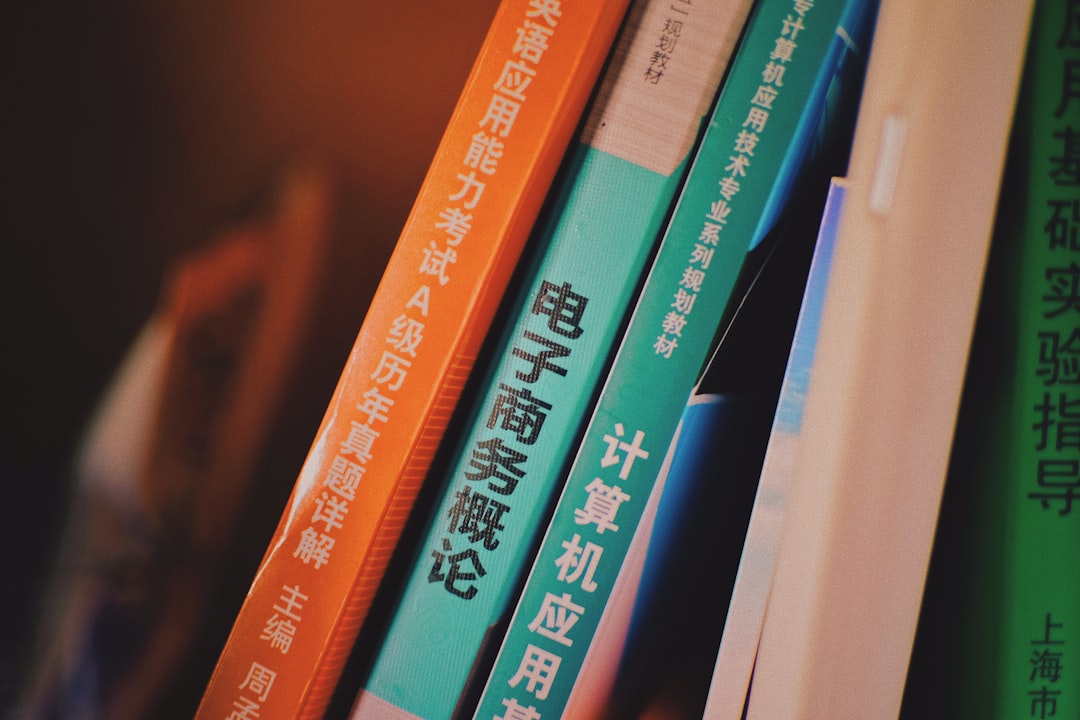
For many Singapore families, Chinese (Mandarin) is the subject that causes the most anxiety — especially where English dominates at home and the language feels distant to the child. If you are weighing up Chinese tuition in Singapore, the real questions are whether your child needs it, and how to find help that builds genuine confidence rather than rote memorisation. This guide walks through both, practically and without pressure.
We will look at when tuition helps, what to focus on from PSLE through the O-Levels, how to choose a Mandarin tutor, the formats available, and the rate ranges to expect. Language is learned through regular, low-stress exposure and use — and the best tuition reinforces exactly that.
Does your child need Chinese tuition in Singapore?
Not every child does, so it is worth pausing before you commit. Chinese tuition in Singapore tends to help most when there are clear, persistent struggles:
- Difficulty with character recognition and writing, especially 听写 (spelling tests).
- Weak comprehension or composition despite effort.
- Low confidence speaking, which affects oral and overall motivation.
- Little exposure to Mandarin outside the classroom.
If your child speaks Mandarin at home, reads in Chinese for pleasure, and scores comfortably, intensive tuition may not be needed — sustaining everyday use may be enough. Tuition is a support, not an automatic requirement.
What to focus on by level: PSLE and beyond
The demands change as your child progresses, so the focus should too. At the PSLE level, where each subject is scored by Achievement Levels (AL1-AL8), the priorities are character recognition and writing, comprehension, composition (看图作文 and related formats), and the oral and listening components. The oral and listening parts carry real weight and are often where confident speakers gain an edge.
Into secondary and the O-Level, the language becomes more demanding — richer vocabulary, situational writing, and comprehension that rewards genuine understanding over guesswork. Because the skills build on each other, gaps at primary level tend to compound, which is why steady early exposure matters more than last-minute drilling.
One-to-one, small group and centre-based options
There are three broad formats. One-to-one tuition — a private Mandarin tutor or 1-to-1 online — gives the most personalised attention, valuable for a child who needs to rebuild confidence speaking. Small group tuition is more affordable and adds peer interaction, which can help oral practice feel natural. Centre-based programmes offer structure and materials but less individual attention.
For an anxious or reluctant learner, the patient, tailored pace of one-to-one often works best. For a generally capable child who needs reinforcement, a small group or centre may be the more sensible spend. If you are weighing the trade-offs, our guide to online versus in-person tuition in Singapore explores them in detail.
How to choose a Chinese tutor
A good Chinese tutor makes the language feel approachable, not intimidating. Look for someone patient, fluent and able to make Mandarin engaging — using conversation, context and culture rather than relentless memorisation. Ask how they build a child’s speaking confidence and how they teach composition, not merely whether they cover the syllabus.
For a child who finds Chinese stressful, the tutor’s warmth and rapport matter as much as their qualifications. Our checklist on how to choose a tutor in Singapore covers the practical questions to ask, and the simplest way to be matched with suitable Mandarin tutors is through our find-a-tutor service.
Typical Chinese tuition rates in Singapore
Rates depend on the tutor’s experience, the level and the format, so treat any number as a broad guide rather than a fixed price. As a rough orientation, primary-level tuition commonly sits around $25-$50 an hour, while secondary-level tuition tends to be higher, broadly in the $35-$70 range. More specialised or senior-level tutoring can rise further.
A higher fee does not guarantee better results. For Chinese in particular, a tutor who genuinely connects with your child and rebuilds their confidence often delivers far more than an expensive but impersonal option. Match the spend to the real need, and remember that self-help groups such as CDAC also run community programmes worth exploring.
Supporting your child at home
Tuition works best when reinforced at home, and small daily habits make a real difference for language. Where you can, weave Mandarin into everyday life — short conversations, Chinese cartoons or songs, reading picture books together, or simply naming things around the house. The aim is regular, pressure-free exposure.
For exam skills, brief and frequent practice beats long, stressful sessions. A few characters reviewed daily and a short reading aloud will do more for retention and confidence than cramming the night before 听写.
Frequently asked questions
When should I start Chinese tuition in Singapore?
Start when you notice persistent struggles that home support is not resolving, rather than simply following others. Beginning earlier in an exam year allows steady skill-building instead of cramming.
My child struggles with speaking — does tuition help?
It can, especially one-to-one or small-group settings where your child gets frequent, low-pressure speaking practice with a patient tutor. Pair it with everyday Mandarin use at home for the best effect.
How much does Chinese tuition cost?
Rates vary; broadly, expect around $25-$50 an hour at primary level and roughly $35-$70 at secondary level, with higher rates at JC and for specialised tutors. Treat these as guides, not fixed prices.
Can my child improve in Chinese without tuition?
Often, yes — consistent everyday exposure, reading and conversation are powerful. Tuition helps most when there are clear gaps or a confidence problem you cannot resolve at home alone.
Find a Chinese tutor
The aim of Chinese tuition in Singapore is a child who feels more confident and capable with the language, not just a better grade once. If your child has genuine difficulties and you would like help, use our find-a-tutor service to be matched with suitable Mandarin tutors, or contact us to talk through what your child needs.